The real estate sales pipeline is the backbone of your sales activity. Without a clear structure, prospects fall through the cracks, agents improvise, and forecasting becomes guesswork.
What is a digital real estate sales pipeline?
A sales pipeline is the visual representation of your sales cycle, split into clear stages. Each prospect moves from one stage to the next with an owner, a next action, and a measurable conversion rate.
The 5 stages of a winning real estate pipeline
Stage 1: Lead capture and qualification (New → Qualified)
Everything starts with capture. Facebook lead, inbound call, website visit, referral… The prospect enters as New, then must be qualified quickly.
- Real budget: does the prospect have validated financing?
- Timeline: buying in 3 months or in 2 years?
- Precise criteria: location, property type, size, floor…
A poorly qualified prospect consumes agent time without converting. Invest 10 minutes in qualification to save hours later.
Stage 2: Matching and property proposals (Qualified → Proposal)
Once qualified, the prospect should receive properties that match their criteria exactly. Automatic matching accelerates this step and reduces irrelevant proposals.
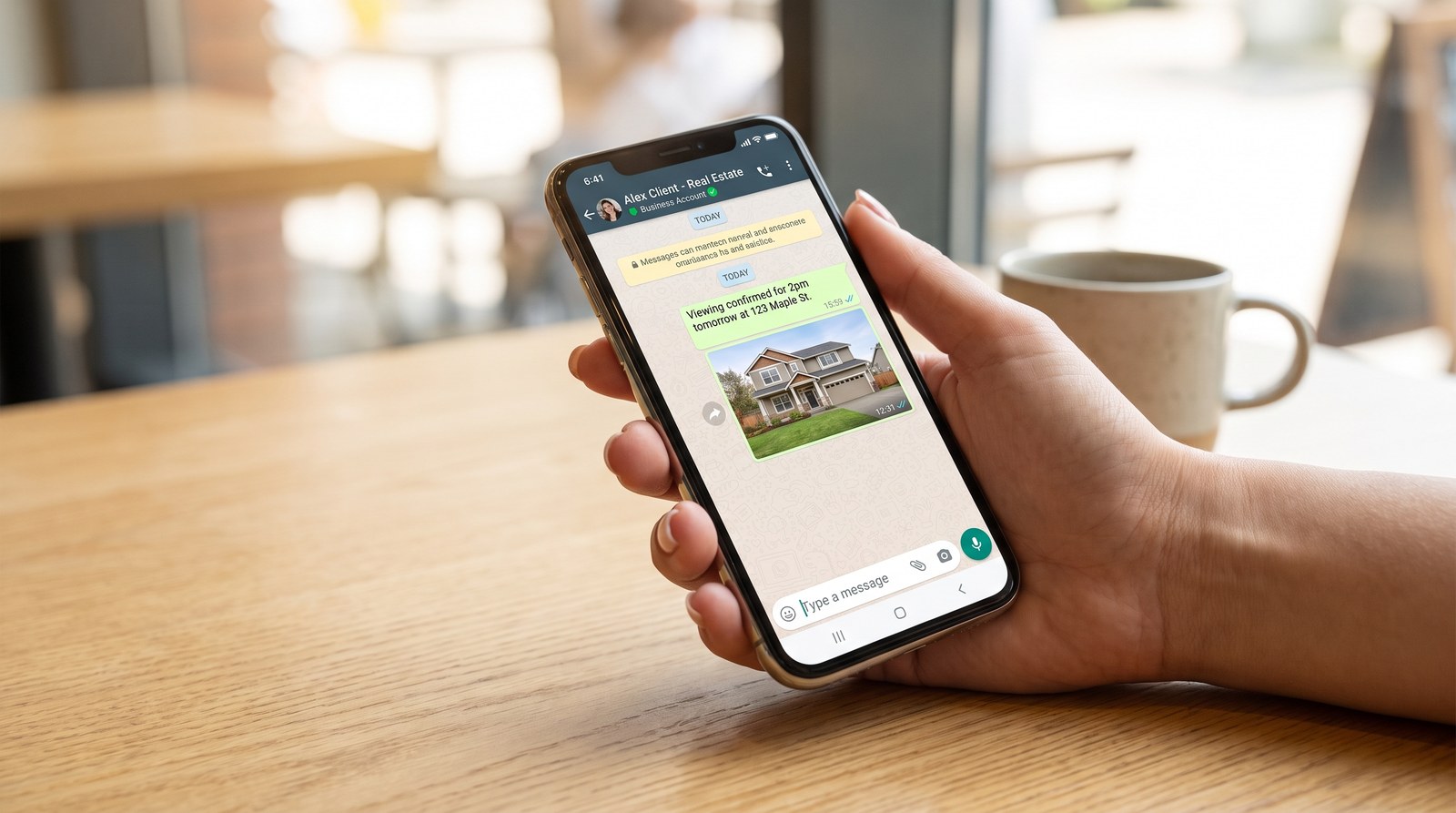
With automatic WhatsApp sending, your proposals reach the prospect in seconds, with a PDF sheet and a clear call-to-action to book a visit.
Stage 3: Visit and feedback (Proposal → Visit)
The visit is the moment of truth. Your CRM must:
- Schedule the visit with automatic reminders
- Prepare the agent with the full prospect history
- Collect post-visit feedback (interested, to review, refused)
If feedback is positive, the prospect moves to negotiation. If not, they return to Proposal for other properties.
Stage 4: Negotiation and agreement (Visit → Agreement)
This is the most delicate stage. Your CRM must track each offer, counter-offer, and deadline. Notes and documents must stay attached to the deal.
Stage 5: Signature and after-sale (Agreement → Final deed)
Between agreement and final deed, weeks or months can pass. Your CRM follows administrative steps, conditions precedent, and post-signature tasks.
KPIs to track at each stage
- Qualification rate: % of new leads that become qualified (target: 60%+)
- Visit conversion rate: % of qualified leads that visit (target: 40%+)
- Agreement conversion rate: % of visits that sign (target: 20%+)
- Average time to close: time from capture to signature (target: reduce by 20%)
- Revenue by agent: split of revenue to identify bottlenecks
How to implement this pipeline in Estaleads
Estaleads was designed around this exact pipeline:
- Import or create prospects with search criteria
- The system qualifies automatically and assigns to the right agents
- Property–prospect matching suggests the best fits
- Each status change triggers an action (WhatsApp, reminder, task)
- The dashboard shows your KPIs in real time
Structure your pipeline this week
Create your free Estaleads account and visualize your first pipeline in under 10 minutes.
Start for freeConclusion
A digital real estate sales pipeline is not only a tool — it is a working method that turns your team into a predictable conversion system.